introduction
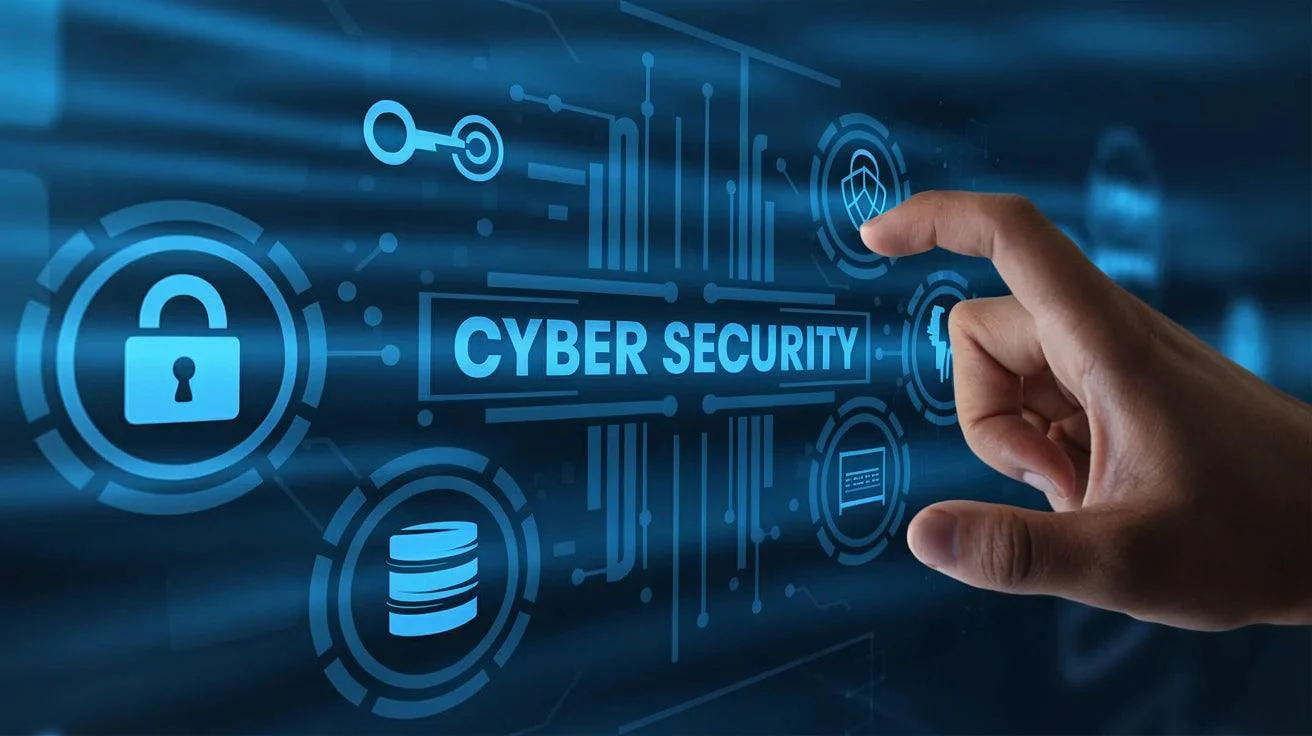
In today’s digital world, protecting personal data online has become more important than ever. As more people use the internet for banking, shopping, social media, and communication, cybercriminals are constantly looking for ways to steal sensitive information. Cybersecurity is the practice of protecting devices, networks, and personal data from cyberattacks. Understanding how to secure your information can help you avoid identity theft, financial loss, and privacy breaches.
1. Use Strong and Unique Passwords
One of the simplest ways to protect your personal data is by using strong passwords. Many people make the mistake of using simple passwords such as “123456” or their names. A strong password should include a combination of:
- Uppercase and lowercase letters
- Numbers
- Special symbols
It is also important to use different passwords for different accounts. This prevents hackers from accessing multiple accounts if one password is compromised.
2. Enable Two-Factor Authentication (2FA)
Two-Factor Authentication adds an extra layer of security to your accounts. Even if someone discovers your password, they will still need a second verification code to access your account. Popular platforms such as Google Authenticator, Instagram, and Facebook allow users to enable 2FA to protect their accounts.
3. Be Careful with Public Wi-Fi
Public Wi-Fi networks in places like cafes, airports, and hotels are convenient but often insecure. Hackers can intercept data transmitted through these networks. When using public Wi-Fi, avoid accessing sensitive accounts such as online banking or entering personal information.
If necessary, consider using a Virtual Private Network (VPN) to encrypt your internet connection.
4. Keep Your Software Updated
Software updates are not only about new features; they also fix security vulnerabilities. Hackers often exploit outdated systems. Always keep your operating system, antivirus software, and applications updated on devices like Apple iPhone and Microsoft Windows.
5. Recognize Phishing Scams
Phishing is a common cyberattack where criminals send fake emails or messages pretending to be legitimate organizations. These messages try to trick users into revealing passwords, credit card numbers, or other personal information.
To avoid phishing attacks:
- Do not click suspicious links
- Verify the sender’s email address
- Avoid downloading unknown attachments
6. Limit What You Share Online
Oversharing personal information on social media can make it easier for cybercriminals to target you. Details such as your address, phone number, or daily routines should be kept private. Platforms like TikTok and Instagram allow users to control privacy settings to protect their information.
7. Use Reliable Security Software
Installing trusted antivirus and security software can help detect malware, spyware, and other threats. These tools monitor suspicious activity and provide real-time protection for your devices.
Conclusion
Cybersecurity is essential in the modern digital age. As technology continues to grow, cyber threats will also become more advanced. By using strong passwords, enabling two-factor authentication, avoiding suspicious links, and keeping software updated, individuals can significantly reduce the risk of cyberattacks.
Protecting your personal data online is not just a technical task—it is a daily habit. Staying informed and practicing safe online behavior will help ensure your privacy and security in the digital world. 💻